
Nothing transforms a home’s appearance like freshly cleaned windows. Crystal-clear glass brightens your interiors, boosts curb appeal, and allows natural light to flow in. After a professional cleaning, most homeowners want those spotless results to last as long as possible. While no DIY approach replaces expert cleaning, regular maintenance between service appointments can significantly extend the clarity of your windows.
At our professional window cleaning service, we not only deliver streak-free results we also help homeowners understand how to maintain their glass safely and effectively between scheduled cleanings. Below is a complete guide to simple, low-risk steps you can take to keep your windows in excellent condition year-round.

Why Window Maintenance Matters Between Professional Cleanings
Professional cleaning removes mineral deposits, grime, mildew, and environmental buildup that typical home products can’t handle. But regular upkeep plays an important supporting role.
Benefits of Regular Window Maintenance
- Slows the buildup of dust, pollen, and dirt
- Reduces long-term staining and etching
- Enhances the lifespan of window frames and seals
- Keeps glass looking brighter between cleanings
- Maintains curb appeal
Our goal is to help you stretch the value of every professional cleaning while ensuring your windows stay in top condition.
Use Microfiber Cloths for Light Dusting
Window glass collects airborne dust every day, especially in areas near roads, gardens, or high foot traffic. Dusting the glass lightly once a week helps prevent buildup that can create streaks and smudges.
Why Microfiber Works Best
Microfiber lifts particles without scratching or spreading dust around. Unlike paper towels, it doesn’t leave lint behind.
How to Do It
- Use a dry microfiber cloth
- Gently wipe the interior and exterior (if reachable)
- Focus on the corners where dust settles first
Avoid adding water unless necessary; light dusting should stay dry to prevent streaking.
Clean Smudges and Fingerprints with a Gentle Solution
Fingerprints, pet nose marks, and small smudges appear frequently, especially on sliding doors or low windows. Handling these spots early prevents oils from hardening on the glass.
Safe Cleaning Process
- Mix mild dish soap with warm water
- Lightly dampen a microfiber cloth
- Wipe the smudged area in a circular motion
- Buff dry with a second clean microfiber cloth
Never use harsh chemicals, abrasive pads, or ammonia-based cleaners; they can damage tint, coatings, and seals.

Maintain Window Tracks and Frames Regularly
Clean glass is only half the equation; dirty tracks and frames attract insects, mold, dust, and debris. This buildup can also impact how smoothly your windows open and close.
Simple Track Maintenance
- Vacuum out loose debris
- Wipe the tracks with warm, soapy water
- Dry completely to prevent rust or mold
Frame Care
- For vinyl frames: wipe with mild detergent
- For aluminum frames: avoid acidic cleaners
- For wood frames: keep them dry to prevent warping
Professional cleanings keep frames in excellent condition, but routine maintenance prevents long-term wear.
Reduce Hard Water Spots Before They Set In
One of the biggest enemies of window clarity is hard water. Sprinklers, rain, and even hose water can leave mineral deposits that eventually etch glass if ignored.
Preventative Measures:
- Adjust sprinklers so they don’t hit windows
- Gently wipe off fresh water spots with a dry microfiber cloth
- Ensure gutters are working properly so dirty rainwater doesn’t streak down the glass
If spots have already dried into the glass, that’s when professional cleaning becomes crucial.
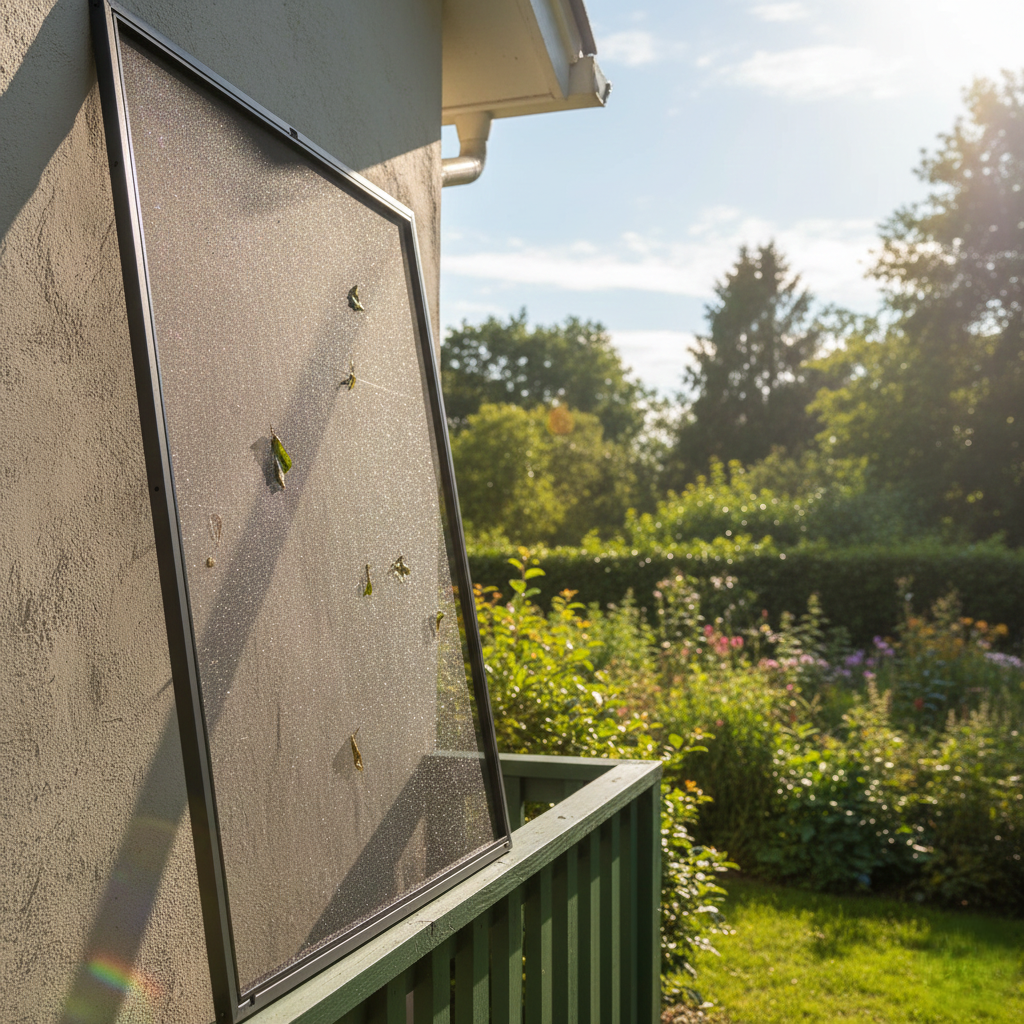
Keep Screens Clean to Prevent Dirt Transfer
Dirty screens transfer dust and debris to your windows every time the wind blows.
How to Maintain Screens Between Cleanings
- Remove screens if possible
- Dust lightly with a soft brush or microfiber cloth
- For heavily soiled screens, rinse gently with water and allow them to air-dry completely
Clean screens help keep glass cleaner for longer and improve airflow.
Watch for Mold or Moisture Buildup
Condensation or damp seals create conditions where mold can grow. This not only affects indoor air quality but can also leave stains on glass and frames.
Signs of Moisture Problems
- Fog between double-pane windows
- Mold in window corners
- Soft or discolored wood frames
- Musty odors near windows
If you notice these issues, professional inspection and cleaning should be scheduled promptly
Avoid Using Paper Towels, Razor Blades, or Harsh Chemicals
While these items are commonly used in DIY cleaning, they can do more harm than good.
Risks Include:
- Scratched glass
- Damaged tint
- Broken seals
- Streaky residue
- Long-term etching
Your windows represent an investment; maintaining them safely protects that investment.
Schedule Routine Professional Window Cleanings
Even with good maintenance habits, nothing replaces the results of expert cleaning. Our team uses professional-grade equipment, mineral-free solutions, and specialized techniques to remove:
- Hard water stains
- Deep dirt buildup
- Mineral deposits
- Mold and mildew
- Exterior contaminants
Routine appointments help preserve your glass, frames, screens, and seals while keeping your home bright and inviting year-round.

Call to Action: Keep Your Windows Clear, Bright, and Long-Lasting
Maintaining your windows between cleanings is simple, but nothing replaces professional care. If you want spotless, streak-free, long-lasting results, we’re here to help. Our expert window cleaning service delivers superior clarity, improved home appearance, and long-term protection for your glass and frames.
Contact us today to schedule your next professional cleaning and keep your windows looking their best all year long!